
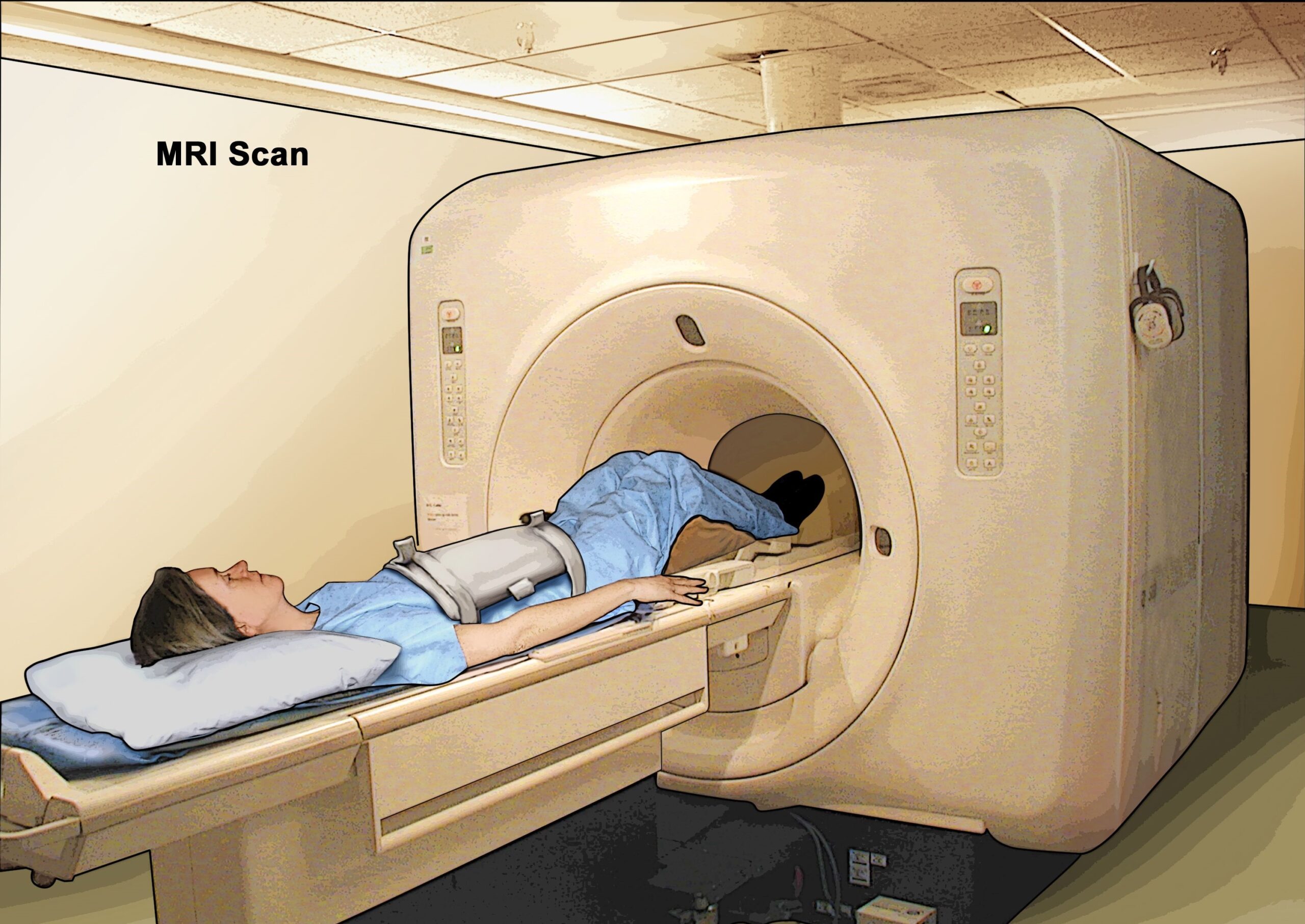
Magnetic resonance imaging (MRI) is an imaging test that uses powerful magnetic forces, radio waves and a computer to produce detailed 3-dimensional images of organs, bones and soft tissues inside the body. inside your body. Some MRI exams require a contrast agent to provide clearer images. Any ionizing radiation is not used in MRI.
It is important to tell the MRI team if you have metal in your body. The magnetic force is so strong that it can damage or move some devices.
An MRI cannot be used if you have:
- an implant such as a cochlear implant (in the ear);
- certain types of clamps used for brain aneurysms;
- certain types of coils installed in blood vessels;
- almost any type of defibrillator or pacemaker.
In most cases, MRI can be done even if you have a prosthetic joint, artificial heart valve, implantable drug delivery port, implantable neurostimulator, or metal rods, screws, plates, stents, or clips. Dental fillings and orthodontic appliances are often unaffected by the magnetic field, but could distort images of the face or brain.
MRI is a noisy examination during which you can hear loud knocking or metallic noises. MRI is a painless examination.
Why we do an MRI exam
- An MRI scan may be done to:
- Examine different parts of the body and determine whether you have certain diseases;
- Diagnose cancer and determine its stage (how far the cancer has spread).
- Help plan treatment.
How is an MRI exam done?
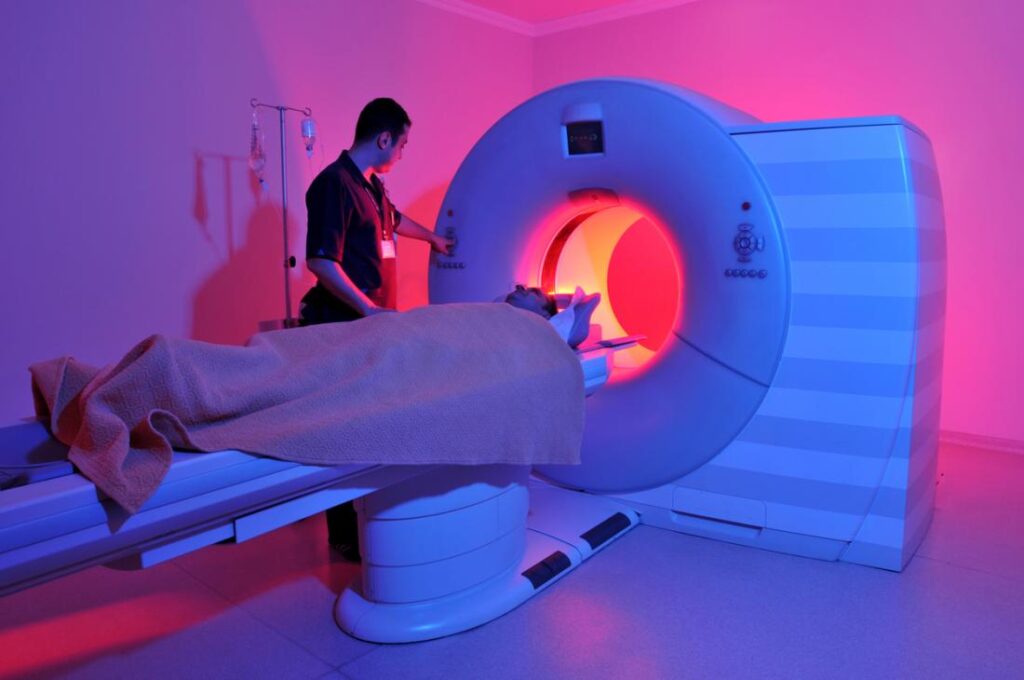
The MRI exam is usually done in the hospital or at a specialist MRI center on an outpatient basis. The exam usually takes 30 to 50 minutes, but it can take up to 2 hours depending on the area to be examined. If general anesthesia is required, the examination may take longer.
You should wear comfortable clothes without metal snaps or zippers. They may need you to put on a hospital gown depending on the part of the body to be examined. You will be asked to remove any metal jewelry and any other object with a magnetic stripe, such as a bank card or credit card, from your pockets. These objects can interfere with the MRI scan. You may also be asked to remove some of your clothing.
Unless instructed otherwise, you can eat, drink, and take medicine as you usually do.
Tell your doctor if you suffer from anxiety or fear of enclosed spaces, which is called claustrophobia. Some people may need a sedative to relax and stay still during the entire exam. Others might need general anesthesia. Both taking a sedative and general anesthesia will affect what you can eat or drink before the test.
If contrast material is used or you need general anesthesia, they will be given to you intravenously in your hand or arm. The most widely used contrast product is gadolinium.
You are usually alone in the exam room, but many centers allow another person to stay with you after the metal checks are done. The technologist is at the computer, in another room. You can see the technologist at all times and speak with him through an intercom.
What to do during MRI
During the MRI examination:
- You lie on a movable examination table. Straps and cushions may be used to help you stay in the correct position and stay still during the exam. For an MRI of the head, a device is placed around the head to hold it in place. Devices containing coils may be placed around or near the area to be examined. These coils improve the quality of the image of the regions examined such as the neck, the shoulder, the knee and the breast.
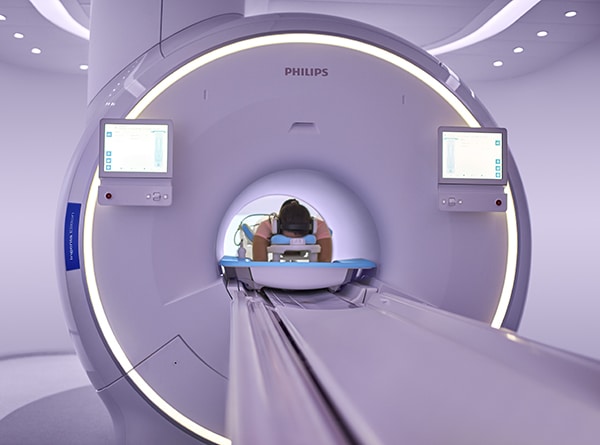
- The table slides into a narrow cylinder that houses the MRI machine with scanning magnet. The interior of the device is well lit and a fan gently pushes cool air. The part of your body that will be examined is positioned in the center of the cylinder. The surface of the cylinder may be only a few inches from your face.
- You may be offered earplugs or headphones so you can listen to music during the MRI scan.
- You must remain still in the MRI machine when it takes the images. An MRI scan is usually done by taking multiple sequences of images. Some sequences last several minutes.
- You may be asked to hold your breath at times to help the pictures come out clearer.
Side effects
MRI doesn’t use radiation and there are not any known harmful effects.
Some people may have a slight reaction to the contrast medium and may experience the following symptoms, among others:
- Nausea
- Dizziness
- Headache
- Metallic taste
- Pain where the needle was inserted
Discuss with your doctor the side effects of sedation or general anesthesia before the MRI scan.
What the results mean
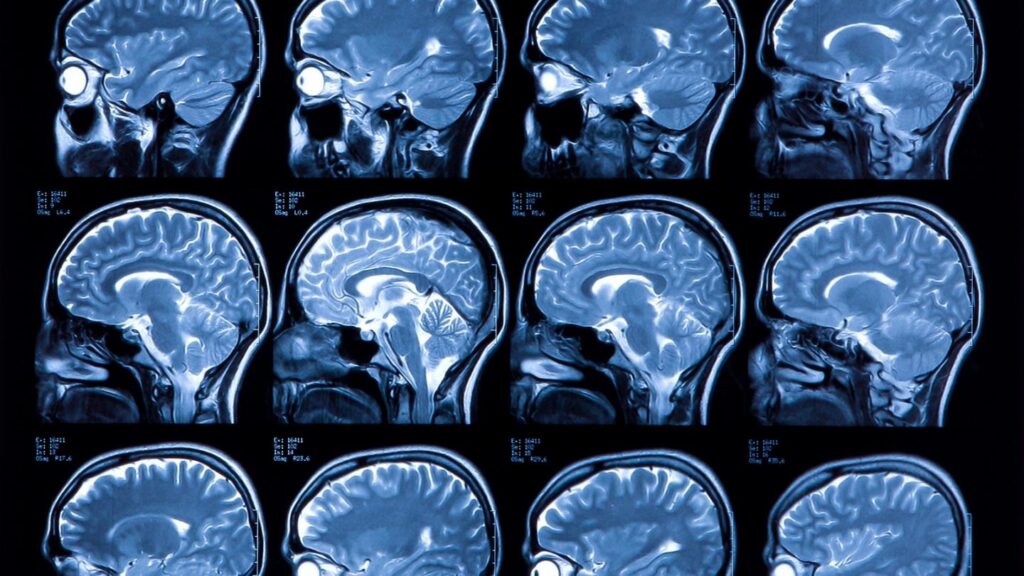
An MRI scan may reveal:
- a change within the shape, size or structure of tissues and organs;
- a mass that could be a tumor (MRI cannot always differentiate a cancerous tumor from a non-cancerous one);
- the approximate shape, size and location of a tumor;
- the spread of cancer within the body (metastasis);
- whether the size of the tumor has decreased, stayed the same or increased after treatment.
What happens if the result is abnormal
Depending on the results, your doctor will decide if further examinations, treatments or follow-up are necessary.
Special considerations for children
Preparing a child for a test or procedure can reduce anxiety, increase cooperation, and help develop coping skills. Preparation involves explaining to the child what will happen during the test, including what he will see, feel, hear, taste or smell.
We can explain that the MRI machine is a big camera that looks like a tunnel. Reassure your child by telling him that the device is noisy, but that it does not hurt. Children can bring their favorite music to listen to during the exam or they can bring a stuffed animal or a blanket in the device if it does not have metal parts.
The child must remain still on the table during the MRI examination. Velcro straps may be used to help keep your child still and in the correct position. Young children are usually given a general anesthetic to keep them still during the MRI.
If a sedative or general anesthetic is used, the child may not be allowed to eat or drink several hours before the test. We will give him an IV in case of general anesthesia or if we use a contrast medium.
You can ask to be present in the room with your child if you think it would be useful.
Preparing a child for MRI depends on their age and experience. Learn more about how to help your child cope with testing and treatment.


Your Trusted Family Law Advocates in Toronto: A Step-by-Step Guide to Our Client-Centric Approach
Start with a family lawyer Toronto free consultation
Learn the facts
Present you with options for each issue
Identify goals and develop a strategy
Execute the strategy Achieve the best possible outcome
Our family lawyers help with:
• Mediations
• Divorces
• Separation agreements
• Marriage contracts
• Applications for parenting time and decision making
• Applications for equalization of assets
• Motions to change support
• Motions to change access
• Interim motions for spousal support
• Advising you in the division of your pension
• Grandparent’s Rights
https://unifiedllp.com/practice-areas/family-lawyer-toronto/
farmaci senza ricetta elenco: farmacia online – migliori farmacie online 2023
Hi this is kind of of off topic but I was wanting to know if blogs use WYSIWYG editors or if you have to manually code with HTML. I’m starting a blog soon but have no coding expertise so I wanted to get advice from someone with experience. Any help would be enormously appreciated!
new real time gaming casinos
Travel for credit with educational tours: Make earning high school credits an experience of a lifetime
Check out our student travel programs
EduTravel for Credit provides high school students (travel for high school credit) in Ontario with a safe, fun and engaging learning experience while travelling the world.
https://www.edutravelforcredit.com/
Thank you for great article. Hello Administ . Diyarbet
Yaşam Ayavefe
Hi, just required you to know I he added your site to my Google bookmarks due to your layout. But seriously, I believe your internet site has 1 in the freshest theme I??ve came across.
Thank you for great article. Hello Administ .
Thank you great posting about essential oil. Hello Administ . Diyarbet
https://avanafilitalia.online/# comprare farmaci online all’estero
Hi, just required you to know I he added your site to my Google bookmarks due to your layout. But seriously, I believe your internet site has 1 in the freshest theme I??ve came across. Diyarbet
olabahisgo.com
viagra originale recensioni: viagra online spedizione gratuita – viagra online consegna rapida
Nice article inspiring thanks. Hello Administ . yaşam ayavefe Yaşam Ayavefe
http://kamagraitalia.shop/# comprare farmaci online con ricetta
top selling sleep aids provigil online
What a information of un-ambiguity and preserveness of precious familiarity concerning unexpected emotions.
best live online casinos ireland
بت فوروارد
mexican border pharmacies shipping to usa: mexican mail order pharmacies – mexico drug stores pharmacies
buying from online mexican pharmacy: mexico drug stores pharmacies – mexican rx online
cialis available in walgreens over counter??
Reliable cryptocurrency
exchange wallet crypto https://swapcryptotradecoins.com.
Thank you great post. Hello Administ .
Hi, just required you to know I he added your site to my Google bookmarks due to your layout. But seriously, I believe your internet site has 1 in the freshest theme I??ve came across.
https://indiapharm.life/# mail order pharmacy india
best online pharmacies in mexico buying prescription drugs in mexico mexican mail order pharmacies
https://canadapharm.shop/# rate canadian pharmacies
india online pharmacy: indian pharmacy online – indian pharmacy
Nice article inspiring thanks. Hello Administ .
Hello! I could have sworn I’ve been to this blog before but after browsing through some of the post I realized it’s new to me. Diyarbet
2024娛樂城的創新趨勢
隨著2024年的到來,娛樂城業界正經歷著一場革命性的變遷。這一年,娛樂城不僅僅是賭博和娛樂的代名詞,更成為了科技創新和用戶體驗的集大成者。
首先,2024年的娛樂城極大地融合了最新的技術。增強現實(AR)和虛擬現實(VR)技術的引入,為玩家提供了沉浸式的賭博體驗。這種全新的遊戲方式不僅帶來視覺上的震撼,還為玩家創造了一種置身於真實賭場的感覺,而實際上他們可能只是坐在家中的沙發上。
其次,人工智能(AI)在娛樂城中的應用也達到了新高度。AI技術不僅用於增強遊戲的公平性和透明度,還在個性化玩家體驗方面發揮著重要作用。從個性化遊戲推薦到智能客服,AI的應用使得娛樂城更能滿足玩家的個別需求。
此外,線上娛樂城的安全性和隱私保護也獲得了顯著加強。隨著技術的進步,更加先進的加密技術和安全措施被用來保護玩家的資料和交易,從而確保一個安全可靠的遊戲環境。
2024年的娛樂城還強調負責任的賭博。許多平台採用了各種工具和資源來幫助玩家控制他們的賭博行為,如設置賭注限制、自我排除措施等,體現了對可持續賭博的承諾。
總之,2024年的娛樂城呈現出一個高度融合了技術、安全和負責任賭博的行業新面貌,為玩家提供了前所未有的娛樂體驗。隨著這些趨勢的持續發展,我們可以預見,娛樂城將不斷地創新和進步,為玩家帶來更多精彩和安全的娛樂選擇。
Hello! I could have sworn I’ve been to this blog before but after browsing through some of the post I realized it’s new to me.
https://mexicanpharm.store/# medication from mexico pharmacy
india pharmacy: india pharmacy – reputable indian online pharmacy
официальный сайт cat casino
вход cat casino
canada pharmacy online: canadian pharmacy uk delivery – 77 canadian pharmacy
2024娛樂城的創新趨勢
隨著2024年的到來,娛樂城業界正經歷著一場革命性的變遷。這一年,娛樂城不僅僅是賭博和娛樂的代名詞,更成為了科技創新和用戶體驗的集大成者。
首先,2024年的娛樂城極大地融合了最新的技術。增強現實(AR)和虛擬現實(VR)技術的引入,為玩家提供了沉浸式的賭博體驗。這種全新的遊戲方式不僅帶來視覺上的震撼,還為玩家創造了一種置身於真實賭場的感覺,而實際上他們可能只是坐在家中的沙發上。
其次,人工智能(AI)在娛樂城中的應用也達到了新高度。AI技術不僅用於增強遊戲的公平性和透明度,還在個性化玩家體驗方面發揮著重要作用。從個性化遊戲推薦到智能客服,AI的應用使得娛樂城更能滿足玩家的個別需求。
此外,線上娛樂城的安全性和隱私保護也獲得了顯著加強。隨著技術的進步,更加先進的加密技術和安全措施被用來保護玩家的資料和交易,從而確保一個安全可靠的遊戲環境。
2024年的娛樂城還強調負責任的賭博。許多平台採用了各種工具和資源來幫助玩家控制他們的賭博行為,如設置賭注限制、自我排除措施等,體現了對可持續賭博的承諾。
總之,2024年的娛樂城呈現出一個高度融合了技術、安全和負責任賭博的行業新面貌,為玩家提供了前所未有的娛樂體驗。隨著這些趨勢的持續發展,我們可以預見,娛樂城將不斷地創新和進步,為玩家帶來更多精彩和安全的娛樂選擇。
reputable mexican pharmacies online: buying from online mexican pharmacy – buying from online mexican pharmacy
buy amoxil 250mg online cheap generic amoxicillin amoxil 250mg uk
indianpharmacy com: indian pharmacy online – indian pharmacies safe
I appreciate you sharing this blog.Really looking forward to read more.reteveneta streaming
prescription sleep medication online order phenergan 25mg pills
burirelax.com
이때 누군가 갑자기 “말도 안돼! “라고 외쳤습니다.
top 10 pharmacies in india reputable indian online pharmacy п»їlegitimate online pharmacies india
http://canadapharm.shop/# canadian pharmacy world
http://canadapharm.shop/# canadian pharmacy world reviews
canadian pharmacies that deliver to the us: canadian pharmacies compare – canadian pharmacy antibiotics
вход cat casino
мобильная версия cat casino
Nice article inspiring thanks. Hello Administ . Diyarbet
зарегистрироваться в cat casino
бонусы кэт казино