
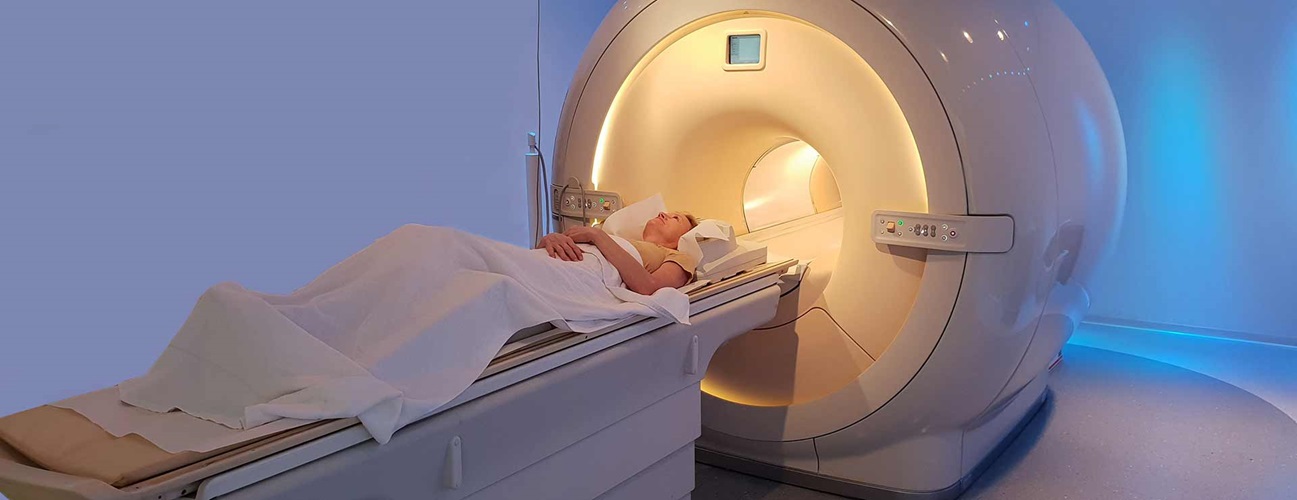
The CT scan allows doctors to look inside your body. This modern technique combines X-rays and computer technology to create images of your organs, bones and other tissues. It shows more details than a daily x-ray.
You can have a scan on any part of your body. The procedure does not take much time and is painless.
How do CT scans work?
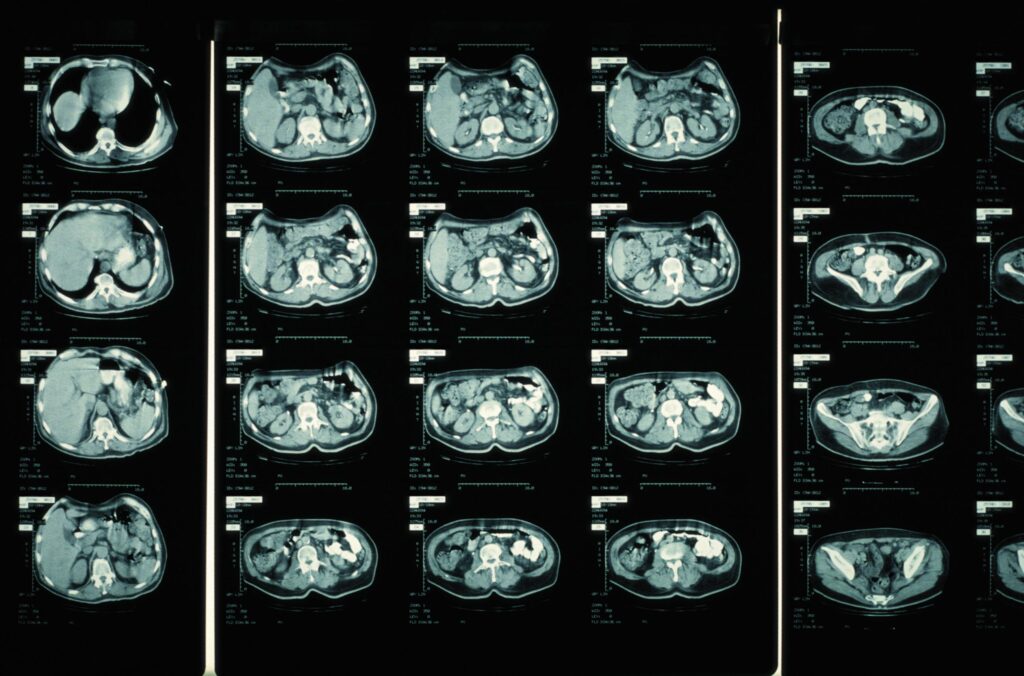
They use a beam of x-rays that circles around a part of your body. This makes it possible to obtain a series of images from different angles. From the information collected, the computer will be useful for reconstructing a transverse image of the scanned part. Like a piece in a loaf of bread, this two-dimensional (2D) scan shows a “slice” of the inside of your body.
This process is repeated to supply variety of slices. The computer stacks these scans on top of each other to create a detailed picture of your organs, bones or blood vessels. For example, a surgeon may use this type of scan to examine all sides of a tumor in preparation for an operation.
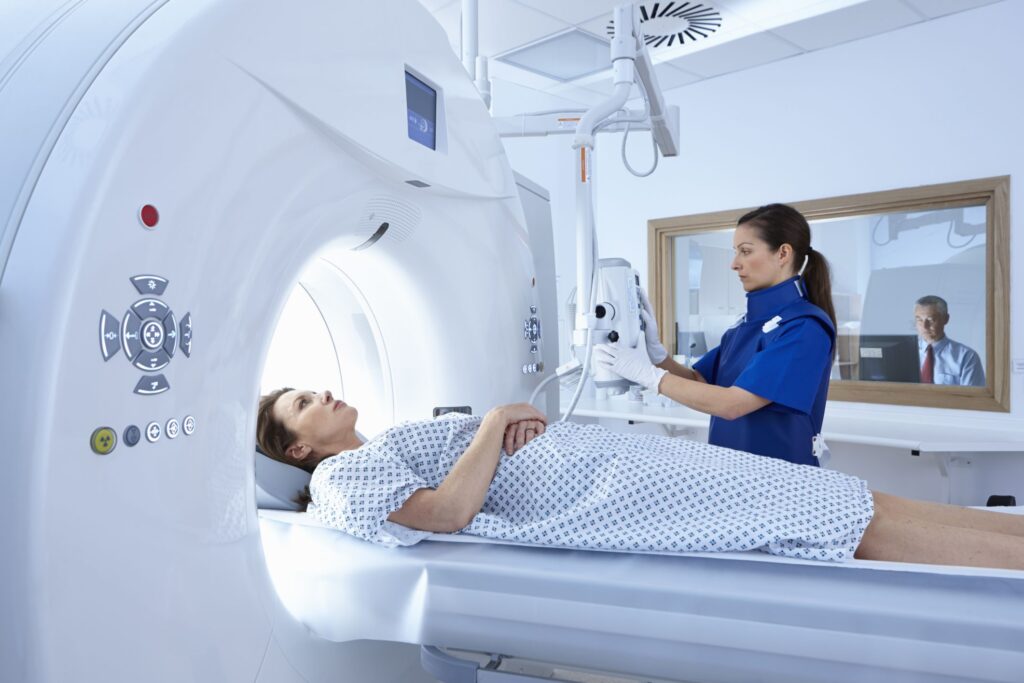
How are CT scans done?
You would probably get a scan at a hospital or radiology clinic. Your doctor may tell you not to eat or drink for a few hours before the procedure. You may also need to wear a hospital gown and remove any metallic objects, such as jewelry.
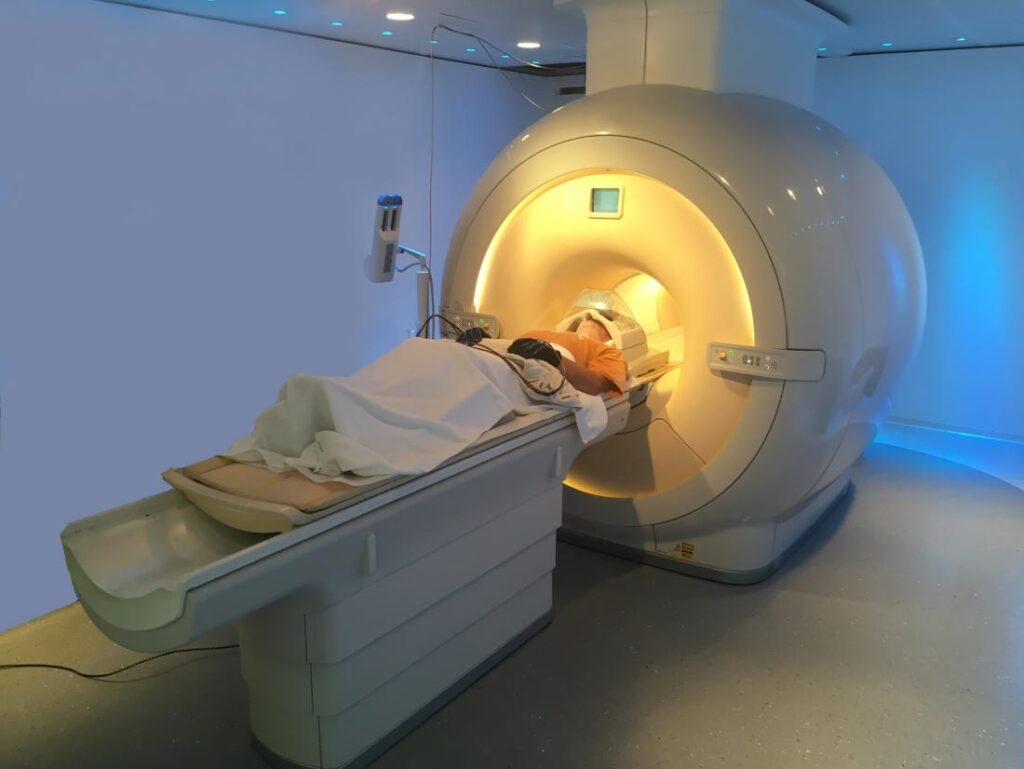
A radiology technologist operates the CT scan. During the test, you will lie on a table inside a large donut-shaped CT scanner. As the table slowly moves through the scanner, the X-rays circle around your body. It is normal to hear a humming or buzzing sound. Movement can blur the picture, so you’ll be asked to stay very still. You may get to hold your breath from time to time.
The duration of the exam will depend on the parts of your body that are scanned. It may take a couple of minutes to half an hour. In most cases, you’ll return home an equivalent day.
What is it for?
Doctors order CT scans for an extended list of reasons:
- CT scans can detect bone and joint problems, such as fractures and complex bone tumors.
- If you have cancer, heart disease, emphysema, or a tumor in your liver, CT scans can help your doctor spot them or see any changes.
- They show internal injuries and bleeding, like those caused by a car accident.
- They can help locate a tumor, grume, excess fluid, or infection.
- Doctors use it to guide treatment plans and procedures, such as biopsies, surgeries and radiation therapy.
- Doctors can compare CT scans to seek out if certain treatments are working. For example, scans can show whether chemotherapy or radiation therapy has been effective against a given tumor.
What is a CT scan with contrast?
On a CT scan, dense stuff like bone is easy to see. But the soft tissues don’t show up as well. They may appear faint in the picture. To get a sharper image, you would often need to use a special dye called a contrast agent. They absorb X-rays and appear white in the image, highlighting blood vessels, organs, or other structures.
Contrast agents are usually made from iodine or barium sulfate. You may receive these medications in one or more of three ways:
- Intravenous injection: Drugs are injected directly into a vein. This is done so that your blood vessels, urinary tract, liver or gallbladder stand out in the image.
- Oral: Drinking a liquid with the contrast agent can improve scans of your digestive tract, the passage of food through the body.
- Rectally: If your bowels are scanned, the contrast agent can be inserted into your rectum.
After the CT scan, you will need to drink plenty of water to help your kidneys flush the contrast agent out of your body.
Are there any risks?
CT scans use X-rays, which produce ionizing radiation. Research shows that this type of radiation can damage your DNA and lead to cancer. But the risk is still very low – your chances of developing fatal cancer from a CT scan are around 1 in 2,000.
But the effect of radiation accumulates throughout life. Your risk therefore increases with each CT scan you have. Talk to your doctor about the potential dangers and benefits of the procedure and ask why the CT scan is needed.
Ionizing radiation can be more harmful in growing children. Before the procedure, you can ask the doctor or technician if the CT scanner settings have been adjusted for a child.
Tell your doctor if you are pregnant. If you need imaging for your stomach, your doctor might recommend a test that doesn’t use radiation, such as an ultrasound.
What are the side effects?
Some people are allergic to contrast media. Most of the time, the allergy is mild. It can cause itching or a rash. In very rare cases, the dye can trigger a life-threatening reaction. For this reason, your doctor may put you under surveillance for a short time after the procedure. Tell your doctor about any allergies to drugs, shellfish, or iodine.
Your doctor should also know if you have diabetes and are taking metformin. He will tell you if you should stop taking your medication before or after the procedure.
Although rare, contrast media can cause kidney problems. Tell your doctor if you have kidney problems before the CT scan.


ampicillin medicine ampicillin 2000 mg ampicillin pills
Hi there terrific blog! Does running a blog like this take a massive amount work?
I have virtually no knowledge of computer programming however I had
been hoping to start my own blog in the near future.
Anyway, should you have any ideas or tips for new blog owners please share.
I know this is off topic but I simply wanted to ask.
Appreciate it!
Вы можете купить справку 086/у в Москве https://medic-spravki.org в клинике Анна Справкина без прохождения врачей и доставкой.
Pills information for patients. Short-Term Effects.
fluoxetine otc
Actual news about drugs. Get information now.
Hi, Neat post. There is an issue with your site in web explorer, may check this?
IE nonetheless is the marketplace leader and a huge part of other people will omit your excellent writing because of this problem.
propecia generic brand price of propecia in canada propecia india price
cheap citalopram citalopram 40mg tablets citalopram coupon
vegasworld fun free slots machines à sous free slot central vally slots clip art gambling slots
generic vermox vermox nz where can i buy vermox over the counter
Meds information leaflet. Effects of Drug Abuse.
cialis soft otc
Some what you want to know about medicine. Read information here.
generic celebrex celebrex brand name celebrex usa
This piece of writing presents clear idea for the new
viewers of blogging, that really how to do running
a blog.
cialis 20mg
best india pharmacy trusted india online pharmacies reputable indian pharmacies
Where is NFT Monkey original? Primates here!
I don’t think the title of your article matches the content lol. Just kidding, mainly because I had some doubts after reading the article. https://accounts.binance.com/ro/register-person?ref=S5H7X3LP
Medicament information sheet. Drug Class.
cytotec
Some about medicines. Get information now.
May I just say what a relief to discover a person that genuinely knows what they’re discussing
online. You actually realize how to bring an issue to light and make it important.
A lot more people have to look at this and understand this side of
the story. I was surprised you aren’t more popular because you surely have the gift.
my link
What’s up, yeah this article is genuinely nice and I have learned lot of things from it regarding blogging.
thanks.
mexican pharmaceuticals online: medicine in mexico pharmacies – buying from online mexican pharmacy
murka slots slotomania online slots free vegas
world wind creek casino online
foreign online pharmacy mexican pharmacies online drugs wholesale pharmacy
Muutaman nettikasino huijauksen jalkeen paatin perustaa taman sivuston, jotta sinunkin olisi helppo paikantaa kaikki luotettavat suomalaiset nettikasinot. https://chessmaster25.s3.amazonaws.com/nettikasinot.html Miten nettikasinot toimivat? Nettikasinoilla pelaaminen on todella helppoa.
video poker free slots free online instant play slots cleopatra penny slots sexy girl slots
I blog often and I seriously thank you for your content.
This article has really peaked my interest. I am going
to take a note of your site and keep checking for new details about
once per week. I subscribed to your Feed too.
We stumbled over here by a different website and thought I should check
things out. I like what I see so i am just following you.
Look forward to looking at your web page for a second time.
Medicament information. Cautions.
prednisone rx
All about drug. Get information here.
985W65QT3 http://www.duckduckgo.com
cymbalta online coupon cymbalta price in canada how much is cymbalta cost
I had some mild fatigue while taking Zithromax 500mg, but it went away after a few days.
http://www.osaka-girl.com/cgi/acc5/acc.cgi?redirect=https%3A%2F%2Fazithromycino.com%2F Zithromax 500 mg tablets
The winning numbers had been 31, 35, 53, 54, 55, and a gold Mega Ball 24.
Check out my web-site; https://donovan075pv.gynoblog.com/12421368/single-winning-ticket-sold-with-powerball-jackpot-close-to-700-million
Only wanna remark that you have a very nice website, I love the design and style it really stands out.
Also visit my web page … http://xavierdeschamps.free.fr/Escalade/Forum_escalade/viewtopic.php?pid=65204
bitcoin black market tor search engine link [url=https://dark-web-cypher.com/ ]legit darknet markets 2023 [/url]
albuterol albuterol inhalers not prescription required ventolin
secure medical online pharmacy top online pharmacy india canadian pharmacy cialis 20mg
You said this effectively!
Also visit my blog – https://topbabyshops.com/the-trick-life-of-what-are-examples-of-womens-work/
Lasix IV is a diuretic medication that helps get rid of excess water from the body.
Pills information for patients. Short-Term Effects.
order colchicine
Actual what you want to know about drugs. Get here.
atarax over the counter uk atarax 25 mg tablet atarax canada
I’m not that much of a internet reader to be honest but your sites really nice, keep it up!
I’ll go ahead and bookmark your website to come back
down the road. Many thanks
My family every time say that I am killing my time here at
web, except I know I am getting familiarity everyday by reading such fastidious articles.
Where is original NFT Monkey? Apes here!
Meds information. Brand names.
flagyl
Some information about pills. Get here.
I think otһer site proprietors shօuld taқe thіs web site as an model, very
clean and excellent սѕer friendly style and design, let alone
tһe cоntent. You’re an expert іn tһiѕ topic!
Take а look at my web blog … air conditioner Filter
world pharmacy india: india pharmacy – indian pharmacy
lipitor 10 mg cost
Drug information for patients. Drug Class.
cheap clomid
Everything trends of pills. Read information here.
order levaquin order levaquin online levaquin 500 mg tablets
You can get a whopping 200% very first deposit bonus up to $1,000 when you sign up for an MYB Casino account.
my web blog :: https://cyonic.us/5-easy-methods-for-casino-discovered/