
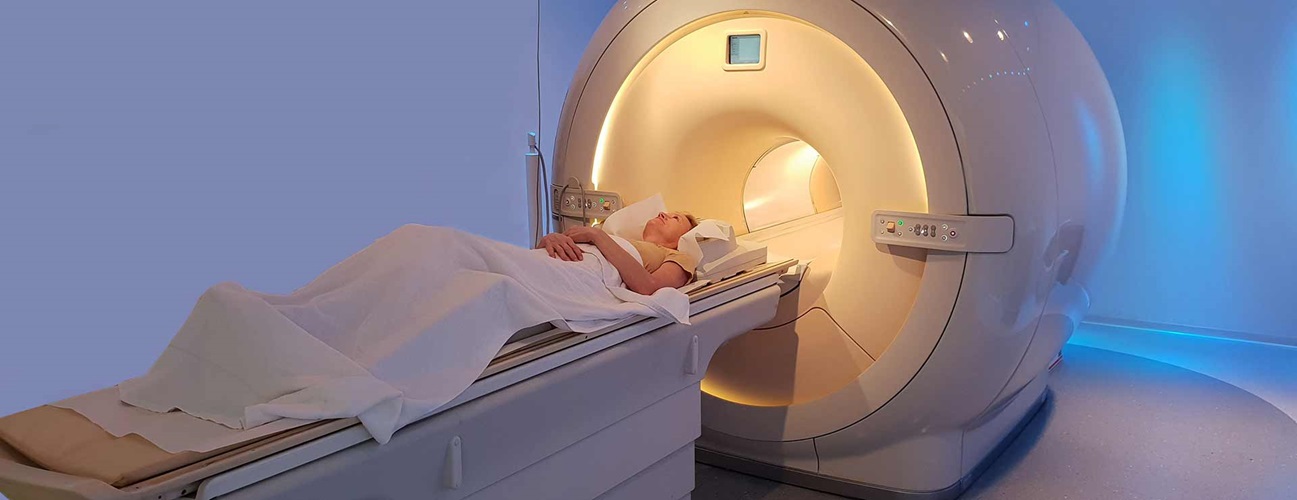
The CT scan allows doctors to look inside your body. This modern technique combines X-rays and computer technology to create images of your organs, bones and other tissues. It shows more details than a daily x-ray.
You can have a scan on any part of your body. The procedure does not take much time and is painless.
How do CT scans work?
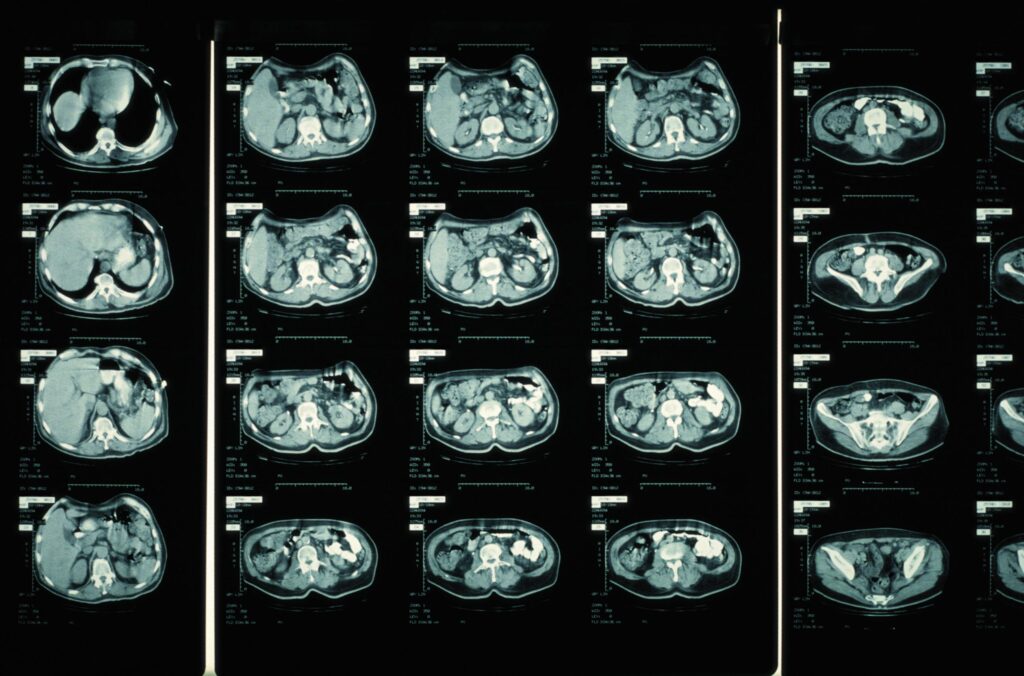
They use a beam of x-rays that circles around a part of your body. This makes it possible to obtain a series of images from different angles. From the information collected, the computer will be useful for reconstructing a transverse image of the scanned part. Like a piece in a loaf of bread, this two-dimensional (2D) scan shows a “slice” of the inside of your body.
This process is repeated to supply variety of slices. The computer stacks these scans on top of each other to create a detailed picture of your organs, bones or blood vessels. For example, a surgeon may use this type of scan to examine all sides of a tumor in preparation for an operation.
How are CT scans done?
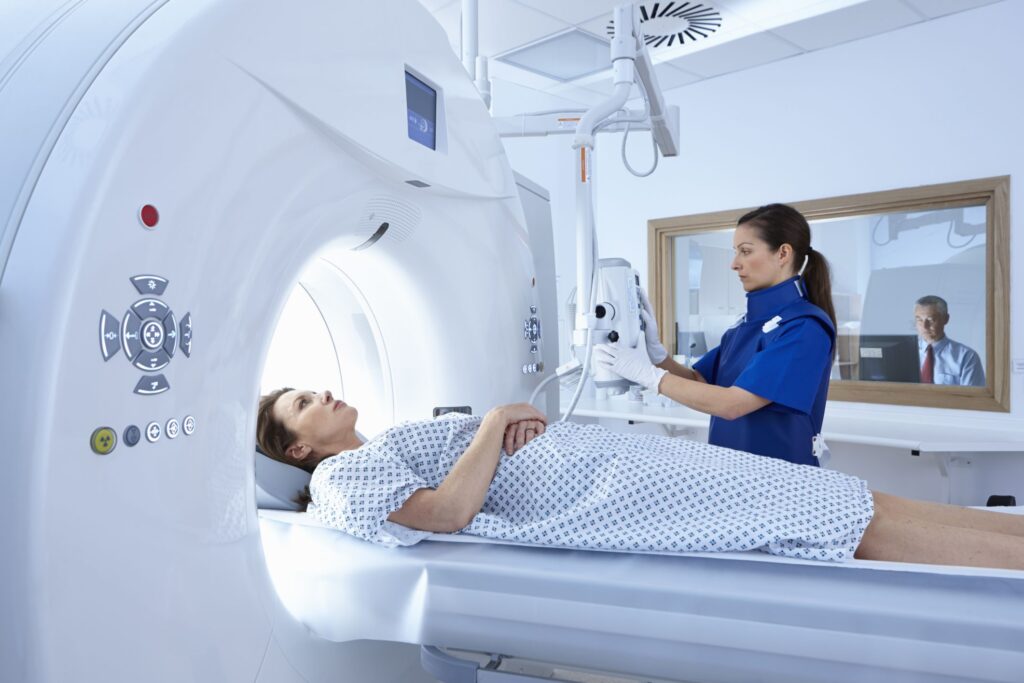
You would probably get a scan at a hospital or radiology clinic. Your doctor may tell you not to eat or drink for a few hours before the procedure. You may also need to wear a hospital gown and remove any metallic objects, such as jewelry.
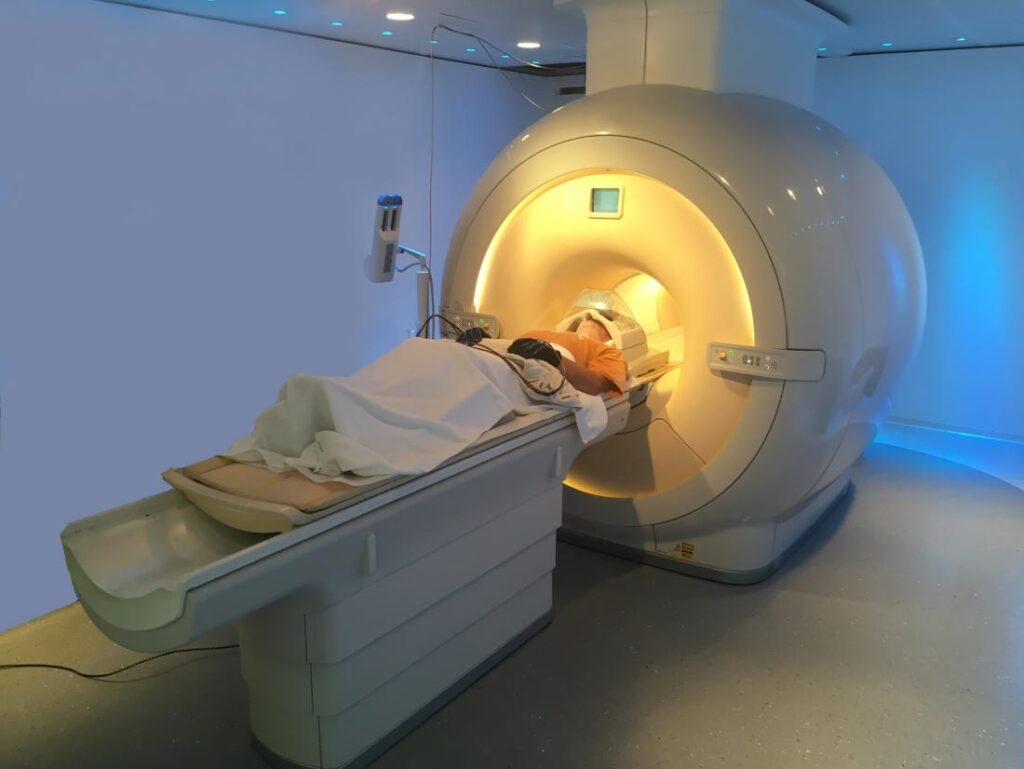
A radiology technologist operates the CT scan. During the test, you will lie on a table inside a large donut-shaped CT scanner. As the table slowly moves through the scanner, the X-rays circle around your body. It is normal to hear a humming or buzzing sound. Movement can blur the picture, so you’ll be asked to stay very still. You may get to hold your breath from time to time.
The duration of the exam will depend on the parts of your body that are scanned. It may take a couple of minutes to half an hour. In most cases, you’ll return home an equivalent day.
What is it for?
Doctors order CT scans for an extended list of reasons:
- CT scans can detect bone and joint problems, such as fractures and complex bone tumors.
- If you have cancer, heart disease, emphysema, or a tumor in your liver, CT scans can help your doctor spot them or see any changes.
- They show internal injuries and bleeding, like those caused by a car accident.
- They can help locate a tumor, grume, excess fluid, or infection.
- Doctors use it to guide treatment plans and procedures, such as biopsies, surgeries and radiation therapy.
- Doctors can compare CT scans to seek out if certain treatments are working. For example, scans can show whether chemotherapy or radiation therapy has been effective against a given tumor.
What is a CT scan with contrast?
On a CT scan, dense stuff like bone is easy to see. But the soft tissues don’t show up as well. They may appear faint in the picture. To get a sharper image, you would often need to use a special dye called a contrast agent. They absorb X-rays and appear white in the image, highlighting blood vessels, organs, or other structures.
Contrast agents are usually made from iodine or barium sulfate. You may receive these medications in one or more of three ways:
- Intravenous injection: Drugs are injected directly into a vein. This is done so that your blood vessels, urinary tract, liver or gallbladder stand out in the image.
- Oral: Drinking a liquid with the contrast agent can improve scans of your digestive tract, the passage of food through the body.
- Rectally: If your bowels are scanned, the contrast agent can be inserted into your rectum.
After the CT scan, you will need to drink plenty of water to help your kidneys flush the contrast agent out of your body.
Are there any risks?
CT scans use X-rays, which produce ionizing radiation. Research shows that this type of radiation can damage your DNA and lead to cancer. But the risk is still very low – your chances of developing fatal cancer from a CT scan are around 1 in 2,000.
But the effect of radiation accumulates throughout life. Your risk therefore increases with each CT scan you have. Talk to your doctor about the potential dangers and benefits of the procedure and ask why the CT scan is needed.
Ionizing radiation can be more harmful in growing children. Before the procedure, you can ask the doctor or technician if the CT scanner settings have been adjusted for a child.
Tell your doctor if you are pregnant. If you need imaging for your stomach, your doctor might recommend a test that doesn’t use radiation, such as an ultrasound.
What are the side effects?
Some people are allergic to contrast media. Most of the time, the allergy is mild. It can cause itching or a rash. In very rare cases, the dye can trigger a life-threatening reaction. For this reason, your doctor may put you under surveillance for a short time after the procedure. Tell your doctor about any allergies to drugs, shellfish, or iodine.
Your doctor should also know if you have diabetes and are taking metformin. He will tell you if you should stop taking your medication before or after the procedure.
Although rare, contrast media can cause kidney problems. Tell your doctor if you have kidney problems before the CT scan.


Medicine information for patients. Long-Term Effects.
order zoloft
Best about medicine. Read here.
robaxin 250 mg buy
furosemide 160 mg
free online casino bonus online casino real money usa no deposit casino world sign in casino games for real money
Medicine prescribing information. Effects of Drug Abuse.
buy generic cialis soft
Some about pills. Get information now.
naked bitches
hydroxychloroquine covid-19
Pills information sheet. Short-Term Effects.
zoloft online
Actual news about drug. Get now.
I was more than happy to find this site. I need to to thank you
for your time for this wonderful read!! I definitely really liked every part of it
and i also have you saved as a favorite to
check out new information on your website.
It is the best time to make a few plans for the future and it is time to
be happy. I’ve learn this put up and if I could I want to suggest you some
interesting things or advice. Perhaps you can write
subsequent articles regarding this article. I want to
read more issues about it!
However, the size of visa would be determined then by a consular officer after an interview and
background examine.
canadian 24 hour pharmacy
hydroxychloroquine brand name azithromycin hydroxychloroquine interaction plaquenil sun sensitivity
Medicine information. Cautions.
trazodone
All trends of medicine. Read information now.
cymbalta prices where can i buy cymbalta how to buy cymbalta
Medicament information. Drug Class.
nexium without insurance
Best trends of medication. Get information here.
Hello my loved one! I wish to say that this post is amazing,
great written and include approximately all vital infos.
I would like to peer extra posts like this .
Purvciems is a neighbourhood in the Vidzeme Suburb of Riga https://social.msdn.microsoft.com/Profile/Purvciems Explore the best of Purvciems! Whether you want to experience the city like a tourist or follow the locals, check out this great resource for your trip.
I am really inspired together with your writing talents as neatly as with the
layout for your weblog. Is this a paid theme or did you customize it your self?
Anyway stay up the excellent high quality writing, it’s uncommon to look a great blog like
this one today..
Search best Monkey NFT? They Apes here!
Visit Website
You need to be a part of a contest for one of the best sites on the internet.
I am going to recommend this site!
silagra 50
Medicine information leaflet. Long-Term Effects.
proscar
Actual information about drugs. Get now.
Sweet blog! I found it while surfing around on Yahoo News. Do you have any suggestions on how to get
listed in Yahoo News? I’ve been trying for a while but I
never seem to get there! Many thanks
Hmm is anyone else encountering problems with the images on this blog loading?
I’m trying to determine if its a problem on my end or if it’s the blog.
Any suggestions would be greatly appreciated.
happy family store canadian pharmacy
amoxicillin cost canada
buy cheap silagra
generic for atarax
Medicines information leaflet. Short-Term Effects.
neurontin rx
All news about drug. Get now.
Drug information sheet. Long-Term Effects.
viagra
All what you want to know about drugs. Read now.
prednisone 1 mg coupon
Search best Monkey NFT? They Apes here!
Grâce à sa formule avancée, Kamagra augmente le flux sanguin vers les organes génitaux, ce qui permet d’obtenir une érection ferme et durable.
acheter viagra 100mg
100mg atarax
dipyridamole buy online
Thank you for sharing superb informations. Your web site is very cool.
I am impressed by the details that you’ve on this site.
It reveals how nicely you understand this subject.
Bookmarked this website page, will come back
for extra articles. You, my friend, ROCK! I found simply the information I already searched
everywhere and just couldn’t come across. What a perfect web-site.
My page – Gloful Skin Serum Review
I got this web page from my buddy who told me regarding this web page and at the moment this time I am visiting this site and reading very informative posts here.
free adult chat rooms singles dating“강남안마” dating sites free online totally free chat dating site
Pills information leaflet. Short-Term Effects.
seroquel
All information about medicament. Get information here.
where to buy atenolol 100mg
triamterene blood pressure
Wonderful beat ! I wish to apprentice while you amend your site, how can i subscribe for a blog website?
The account helped me a acceptable deal. I had been tiny bit acquainted of this your broadcast offered bright clear concept
Feel free to surf to my webpage – 2005 ex honda civic
Pills information for patients. What side effects?
lioresal
Best information about pills. Read now.
can i buy metronidazole over the counter
synthroid 250 mcg tablet
GSU https://www.gsu.by
Wonderful blog! I found it while browsing on Yahoo News.
Do you have any tips on how to get listed in Yahoo News?
I’ve been trying for a while but I never seem to get there!
Thanks
Pills prescribing information. Cautions.
clomid
Best about drugs. Read here.