
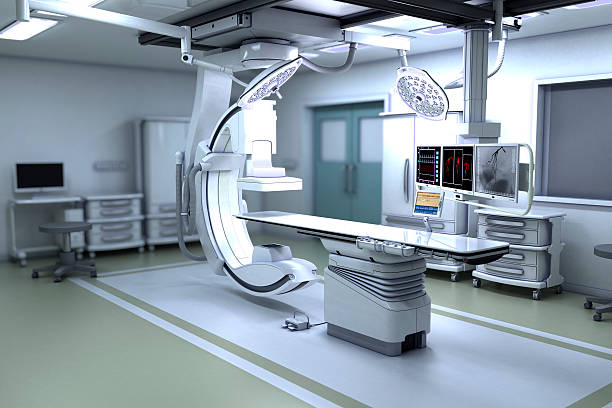
What is an angiogram?
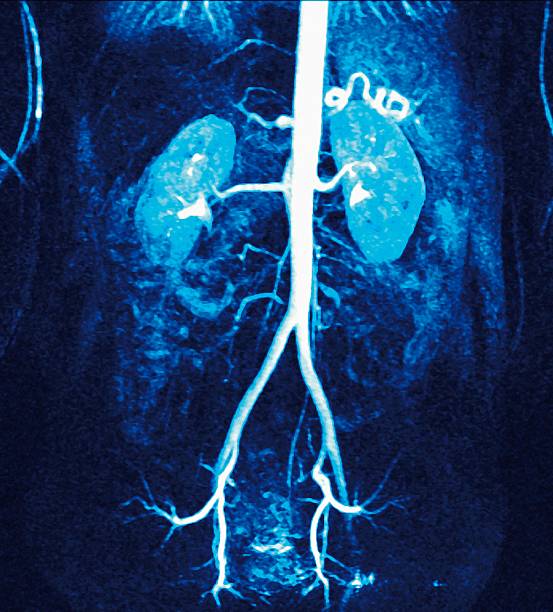
Angiography or arteriography (means the same) is a diagnostic radiological test to obtain very precise information on the state of your arteries (blood vessels) . Angiography can be used to visualize any of the arteries in the human body. This test is also sometimes known as catheterization.. Vascular and interventional radiologists perform this test. To do this, a catheter (very small plastic tube) is inserted into the artery or arteries to be studied and iodinated contrast is injected through it (the same one used for a CT scan). While the contrast is circulating through your arteries, numerous x-rays are taken or a film is made, thus being able to know in real time how the blood circulates through your body.

Although other medical tests such as physical examination, Doppler ultrasound, computerized axial tomography (CAT), and magnetic resonance imaging (MRI) can visualize the blood vessels, angiography may be necessary to see them in more detail and obtain crucial information prior to surgery. treatment planning.
Why do I need an arteriography?
One of the most common reasons for needing an angiogram is to have symptoms that suggest a blockage of the artery . For example, a blocked artery in your leg can cause pain when you walk. Blocked arteries in the kidneys can cause increased blood pressure, and blocked arteries in the brain can cause vision problems and weakness of a part of your body or predispose you to stroke.
An angiogram can identify exactly where an artery is blocked, as well as the severity and cause of the blockage. The two most common causes of blocked arteries are blood clots (embolisms) and atherosclerosis .
Another common reason for needing an angiogram is the presence of an aneurysm . An aneurysm is a dilation of an artery that, if ruptured, causes severe internal bleeding.
Liver arteriograms are performed primarily for the study and treatment of tumors .
Before the angiography begins, a member of the Vascular and Interventional Radiology team (doctor or nurse) will talk to you and explain the procedure in detail and answer any questions you may have.
How is it the procedure? Hurts?
An arteriography consists of three steps:
- Insertion of a small catheter (plastic tube) into one of your arteries.
- Contrast injection (X-ray dye) while X-rays are taken.
- Catheter removal.

Catheter introduction
The vascular radiologist will clean the skin in the area where the catheter will be inserted. It will usually be in the groin, upper arm, or wrist. The doctor will then apply a local anesthetic to the skin and deep tissues. After this, you will only feel the pressure of the catheter being introduced into the artery, as the area will be numb. The doctor will guide the catheter through your body until it reaches the artery that will be studied with the help of an x-ray screen (like a television). You will not feel the catheter moving inside your arteries.
contrast injection
When the catheter is in the correct position, the contrast (dye) will be injected through the catheter while x-rays (films) are taken. You will feel slight warmth when the contrast is injected, but this will only last a few seconds and will go away. In many cases, several injections of contrast and several x-rays (films) will be necessary to complete the exam.
Catheter removal
At the end of the exam, the vascular radiologist will remove the catheter from your artery. Pulling out the catheter is painless. Pressure will be applied to the site where the catheter was inserted for about 10 to 20 minutes. This pressure prevents the artery from bleeding.Arteriography usually takes between 45 and 90 minutes .
Sometimes another procedure called angioplasty is done at the same time you have the angiogram. This prolongs the procedure a bit longer. Arteriograms are also used to diagnose difficult problems not resolved by other tests.
How do I prepare for an angiogram?
If you are already admitted to a hospital, the nurses and doctors will give you instructions on how to prepare for the angiography. If you are admitted to the hospital on the morning of your angiography, or if the procedure is performed on an outpatient basis, Follow these instructions or what your doctor tells you:
- FOOD – Do not eat anything solid after midnight the night before your procedure. Yes you can drink liquids.
- MEDICATIONS – Most people should continue to take their prescribed medications. If you are diabetic and take insulin, ask your doctor if it is necessary to modify your insulin dose only for the day of the procedure.
- If you take coumarin/synthrom (anticoagulant) , you should talk to your doctor about stopping it. Bring all your medication with you.
- ALLERGIES – If you are allergic to contrast (X-ray dye) or iodine, let your vascular radiologist know days before your angiogram. Your doctors may then take special precautions during the procedure.
- SMOKING – Do not smoke for at least 24 hours before your angiogram. A blood test is required in all people before angiography. This analysis is performed the same day or preferably the day before. Upon arrival at the Radiology (X-ray) Department you will be changed into a hospital gown (if you are not already wearing one from your room) and serum will begin to be injected into your veins. You will be given fluids and medications through this line during the procedure. The serum will stay in your arm until after the angiogram.
Your vascular and interventional radiologist will study and discuss the test results with your other doctors. Your doctors will work together to provide you with the best possible treatment.
What happens after the angiography is finished? Can I go home?
If you are an inpatient in a hospital or if you are going to be admitted after the procedure, you will stay in the hospital after the procedure. He will return from the angiography suite to his room and the nurses will monitor him so that he does not bleed from where the catheter was inserted into the artery. They will let you know when he can eat and how long he needs to be in bed.
If you have angiography as an out patient You will stay in the hospital for 4 to 6 hours after the procedure is finished. The hospital’s team of nurses and doctors will monitor you to make sure you don’t bleed where the catheter was inserted. After this period of observation he will send you to his house. Someone will have to drive him to her because he can’t drive or walk much that day. Once at home:
- Relax and rest for 24 hours.
- Drink plenty of fluids. Go back to your regular diet.
- exercise hard or lift any weight for at least two days.
- Do not take a hot bath or shower for the first 12 hours after the test.
- DO NOT SMOKE FOR AT LEAST 24 HOURS.
Call your doctor right away if:
- You begin to bleed where the catheter was inserted. If you start to bleed, lie down immediately and apply pressure to the bleeding area using your hands in a similar way to when the catheter was removed. Your doctor will tell you if you need to go back to the hospital.
- If there is any change in the color or temperature of the area where the catheter was inserted.
- If the arm or leg where the catheter was inserted is numb, feels colder than usual, or changes color.
What are the risks of an angiogram?
With modern techniques an angiography is a very safe procedure. There is always a minimal risk from the use of catheters or contrast injections .
Placing a catheter into an artery can damage the artery. Even if the artery is not damaged, you may still have a bruise where the catheter was inserted . The bruise may be mildly painful, but it usually goes away in a few days or a week.
Some patients may have secondary problems as a result of the iodinated contrast injection. Diabetics, kidney problems, asthma, or previous allergic reactions to contrast tend to be affected by contrast. If you have kidney disease, are diabetic, asthmatic or allergic to contrast, let your vascular radiologist know before the procedure so that he can take the appropriate protective measures and prevent the appearance of any problem. Other complications can occur. It all depends on the artery that is being studied . The exact risks of your angiography will be discussed in more detail by a member of the medical team before the procedure begins.

What is the benefit of an angiogram?
The benefit of an arteriography/angiography is that it provides your doctors with very accurate information about your arteries and helps them accurately plan the treatment you need. The benefits of taking the test always outweigh the few risks involved.


atarax for sleep
WOW just what I was searching for. Came here by searching for شهادة جامعية
synthroid 25 pill
methylprednisolone
fluoxetine buy online
doxycycline 50 mg price australia
Tips
[…]Sites of interest we have a link to[…]
levitra price in singapore
inderal buy online
buy priligy generic
[url=https://effexor.cyou/]order effexor online[/url]
buy azithromycin online fast shipping
baclofen 300 mg
For example, Valorant matches offer an average of
36 betting options.
카카오택시 사용법 쉽게 배워보기
카카오택시 사용법에 대해서 소개합니다 먼저
카카오택시 앱 사용법을 설명하기 위해서는
카카오택시 호출하기 기능과 카카오택시 이용중 유용한
기능 활용하기를 통해 app 을 사용함에 있어서 친숙해져야 합니다.
기본적인 카카오택시 사용법 UI는 처음 사용을 하는 사용자도 사용하기 쉬울 정도로
기능들을 화면에서 선택하여 거리당 요금 정보가
뜨고 지도상에서 GPS 수신을 통해 현재 내 위치가 표시가 되며 기사님의 위치
또한 화면에 표시가 됩니다.
diflucan cost
suhagra without prescription
synthroid 125 pill
phenergan 10mg
phenergan 2
Nice post. I learn something totally new and challenging on blogs I stumbleupon on a daily basis.
It will always be useful to read articles from other
writers and use something from their sites.
trazodone pill
hoki 1881
buy lexapro brand name online
ventolin 200 mg
farmacia online cialis europa cheap generic cialis cialis 10mg will cialis make me last longer cheap cialis in canada
FiverrEarn
[…]Wonderful story, reckoned we could combine some unrelated information, nevertheless really worth taking a search, whoa did a single study about Mid East has got far more problerms as well […]
how can i get prednisone online without a prescription
[url=http://synthroid.boutique/]synthroid 37.5 mcg[/url]
canadian discount pharmacy
zoloft 25 mg price
augmentin 500 mg 125 mg tablet
no prescription synthroid
buy diflucan uk
where to buy ventolin
cialis side effects alcohol buy cialis online cheapest goodrx cialis generic cialis uk online pharmacy active ingredient cialis
FiverrEarn
[…]that may be the finish of this write-up. Here you will uncover some web-sites that we think you will enjoy, just click the hyperlinks over[…]
generic propecia from india
FiverrEarn
[…]that may be the finish of this article. Right here youll find some websites that we think you will value, just click the links over[…]
buy xenical online australia
atarax over the counter uk
plaquenil 200 mg oral tablet
www pharmacyonline
FiverrEarn
[…]Here is an excellent Weblog You may Obtain Exciting that we Encourage You[…]
комплектующие для пк
buy amoxicillin usa
amoxil capsule 250mg
levitra coupon
prednisone 20 mg tablet cost
where can i buy doxycycline over the counter