
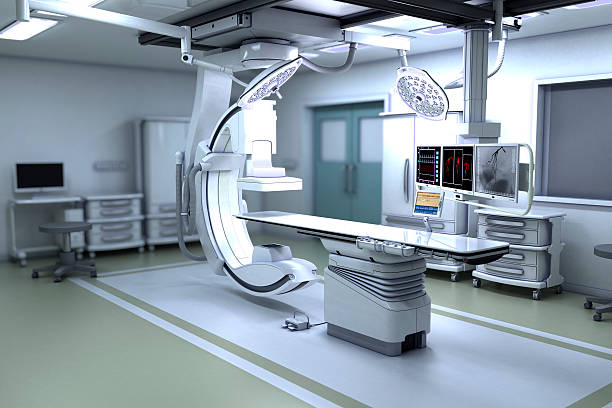
What is an angiogram?
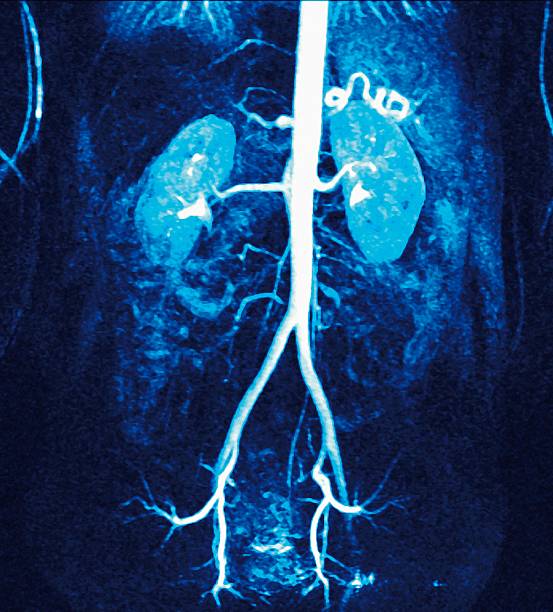
Angiography or arteriography (means the same) is a diagnostic radiological test to obtain very precise information on the state of your arteries (blood vessels) . Angiography can be used to visualize any of the arteries in the human body. This test is also sometimes known as catheterization.. Vascular and interventional radiologists perform this test. To do this, a catheter (very small plastic tube) is inserted into the artery or arteries to be studied and iodinated contrast is injected through it (the same one used for a CT scan). While the contrast is circulating through your arteries, numerous x-rays are taken or a film is made, thus being able to know in real time how the blood circulates through your body.

Although other medical tests such as physical examination, Doppler ultrasound, computerized axial tomography (CAT), and magnetic resonance imaging (MRI) can visualize the blood vessels, angiography may be necessary to see them in more detail and obtain crucial information prior to surgery. treatment planning.
Why do I need an arteriography?
One of the most common reasons for needing an angiogram is to have symptoms that suggest a blockage of the artery . For example, a blocked artery in your leg can cause pain when you walk. Blocked arteries in the kidneys can cause increased blood pressure, and blocked arteries in the brain can cause vision problems and weakness of a part of your body or predispose you to stroke.
An angiogram can identify exactly where an artery is blocked, as well as the severity and cause of the blockage. The two most common causes of blocked arteries are blood clots (embolisms) and atherosclerosis .
Another common reason for needing an angiogram is the presence of an aneurysm . An aneurysm is a dilation of an artery that, if ruptured, causes severe internal bleeding.
Liver arteriograms are performed primarily for the study and treatment of tumors .
Before the angiography begins, a member of the Vascular and Interventional Radiology team (doctor or nurse) will talk to you and explain the procedure in detail and answer any questions you may have.
How is it the procedure? Hurts?
An arteriography consists of three steps:
- Insertion of a small catheter (plastic tube) into one of your arteries.
- Contrast injection (X-ray dye) while X-rays are taken.
- Catheter removal.

Catheter introduction
The vascular radiologist will clean the skin in the area where the catheter will be inserted. It will usually be in the groin, upper arm, or wrist. The doctor will then apply a local anesthetic to the skin and deep tissues. After this, you will only feel the pressure of the catheter being introduced into the artery, as the area will be numb. The doctor will guide the catheter through your body until it reaches the artery that will be studied with the help of an x-ray screen (like a television). You will not feel the catheter moving inside your arteries.
contrast injection
When the catheter is in the correct position, the contrast (dye) will be injected through the catheter while x-rays (films) are taken. You will feel slight warmth when the contrast is injected, but this will only last a few seconds and will go away. In many cases, several injections of contrast and several x-rays (films) will be necessary to complete the exam.
Catheter removal
At the end of the exam, the vascular radiologist will remove the catheter from your artery. Pulling out the catheter is painless. Pressure will be applied to the site where the catheter was inserted for about 10 to 20 minutes. This pressure prevents the artery from bleeding.Arteriography usually takes between 45 and 90 minutes .
Sometimes another procedure called angioplasty is done at the same time you have the angiogram. This prolongs the procedure a bit longer. Arteriograms are also used to diagnose difficult problems not resolved by other tests.
How do I prepare for an angiogram?
If you are already admitted to a hospital, the nurses and doctors will give you instructions on how to prepare for the angiography. If you are admitted to the hospital on the morning of your angiography, or if the procedure is performed on an outpatient basis, Follow these instructions or what your doctor tells you:
- FOOD – Do not eat anything solid after midnight the night before your procedure. Yes you can drink liquids.
- MEDICATIONS – Most people should continue to take their prescribed medications. If you are diabetic and take insulin, ask your doctor if it is necessary to modify your insulin dose only for the day of the procedure.
- If you take coumarin/synthrom (anticoagulant) , you should talk to your doctor about stopping it. Bring all your medication with you.
- ALLERGIES – If you are allergic to contrast (X-ray dye) or iodine, let your vascular radiologist know days before your angiogram. Your doctors may then take special precautions during the procedure.
- SMOKING – Do not smoke for at least 24 hours before your angiogram. A blood test is required in all people before angiography. This analysis is performed the same day or preferably the day before. Upon arrival at the Radiology (X-ray) Department you will be changed into a hospital gown (if you are not already wearing one from your room) and serum will begin to be injected into your veins. You will be given fluids and medications through this line during the procedure. The serum will stay in your arm until after the angiogram.
Your vascular and interventional radiologist will study and discuss the test results with your other doctors. Your doctors will work together to provide you with the best possible treatment.
What happens after the angiography is finished? Can I go home?
If you are an inpatient in a hospital or if you are going to be admitted after the procedure, you will stay in the hospital after the procedure. He will return from the angiography suite to his room and the nurses will monitor him so that he does not bleed from where the catheter was inserted into the artery. They will let you know when he can eat and how long he needs to be in bed.
If you have angiography as an out patient You will stay in the hospital for 4 to 6 hours after the procedure is finished. The hospital’s team of nurses and doctors will monitor you to make sure you don’t bleed where the catheter was inserted. After this period of observation he will send you to his house. Someone will have to drive him to her because he can’t drive or walk much that day. Once at home:
- Relax and rest for 24 hours.
- Drink plenty of fluids. Go back to your regular diet.
- exercise hard or lift any weight for at least two days.
- Do not take a hot bath or shower for the first 12 hours after the test.
- DO NOT SMOKE FOR AT LEAST 24 HOURS.
Call your doctor right away if:
- You begin to bleed where the catheter was inserted. If you start to bleed, lie down immediately and apply pressure to the bleeding area using your hands in a similar way to when the catheter was removed. Your doctor will tell you if you need to go back to the hospital.
- If there is any change in the color or temperature of the area where the catheter was inserted.
- If the arm or leg where the catheter was inserted is numb, feels colder than usual, or changes color.
What are the risks of an angiogram?
With modern techniques an angiography is a very safe procedure. There is always a minimal risk from the use of catheters or contrast injections .
Placing a catheter into an artery can damage the artery. Even if the artery is not damaged, you may still have a bruise where the catheter was inserted . The bruise may be mildly painful, but it usually goes away in a few days or a week.
Some patients may have secondary problems as a result of the iodinated contrast injection. Diabetics, kidney problems, asthma, or previous allergic reactions to contrast tend to be affected by contrast. If you have kidney disease, are diabetic, asthmatic or allergic to contrast, let your vascular radiologist know before the procedure so that he can take the appropriate protective measures and prevent the appearance of any problem. Other complications can occur. It all depends on the artery that is being studied . The exact risks of your angiography will be discussed in more detail by a member of the medical team before the procedure begins.

What is the benefit of an angiogram?
The benefit of an arteriography/angiography is that it provides your doctors with very accurate information about your arteries and helps them accurately plan the treatment you need. The benefits of taking the test always outweigh the few risks involved.


how much is vermox
where can i buy metformin
metformin online no prescription
no prescription prednisone
buy deltasone no prescription
lisinopril 2.5 pill
buy finasteride online
order vermox uk
metformin 800
27일 온라인 카지노 사이트 관련주는 동시에 낮은 폭으로 올랐다. 전일 준비 강원랜드는 0.77% 오른 4만7900원, 파라다이스는 1.65% 오른 9만8400원, GKL은 0.59% 오른 3만7900원, 롯데관광개발은 0.96% 오른 9만470원에 거래를 마쳤다. 온라인카지노용 모니터를 생산하는 토비스도 주가가 0.87% 증가했다. 다만 단기 시계열 분석은 여행주와 다른 양상을 보인다. 2011년 상반기 이후 하락세를 보이던 여행주와 달리 카지노주는 2016~2018년 저점을 찍고 오르는 추세였다. 2014년 GKL과 파라다이스 직원 일부가 중국 공안에 체포되는 악재에 카지노사이트 주는 하락세로 접어들었다.
카지노사이트
2019 lyrica coupon
vermox tablets where to buy
Do you have a spam problem on this blog; I also am a blogger, and I was wondering your situation; we have created some nice procedures and
we are looking to swap methods with other folks, please shoot me an email if interested.
valtrex generic over the counter
vermox mexico
buy brand name synthroid online
I gave https://www.cornbreadhemp.com/collections/full-spectrum-cbd-oil a try with a view the maiden habits, and I’m amazed! They tasted smashing and provided a sense of calmness and relaxation. My emphasis melted away, and I slept outstrip too. These gummies are a game-changer since me, and I enthusiastically put forward them to anyone seeking appropriate emphasis alleviation and think twice sleep.
retin a india buy
Piano restoration and repair
[…]just beneath, are many entirely not connected websites to ours, even so, they are certainly really worth going over[…]
accutane drug
polish pharmacy online uk
augmentin 885 125 mg
accutane cost in canada
essay about a leader essay about dasara festival writing an opinion essay dh lawrence essay essay exam writing for the california bar exam
suhagra 25 mg tablet
zithromax buy online no prescription
lisinopril 20 mg pill
help on writing an essay meaning of essay buy essay online cheap coming to the united states essay biology essay
Greetings! I know this is kind of off topic but I was wondering which blog platform are you using for this
site? I’m getting sick and tired of WordPress because I’ve had problems with hackers and I’m looking at alternatives for another
platform. I would be fantastic if you could point me in the direction of a good platform.
Medications play a role in reproductive health by regulating fertility, birth control, and hormone replacement therapy. https://experienceleaguecommunities.adobe.com/t5/user/viewprofilepage/user-id/17754139 priligy 60
generic for zithromax
prednisone 12 mg
lyrica 2019
where to buy elimite cream over the counter
buy metformin 1000 mg uk
prednisone 54899
For that reason, players play against every other as an alternative of competing against a dealer.
lisinopril pill 5 mg
zestoretic price
buying metformin er
prednisone 24 mg
lyrica 150 price
After I initially left a comment I seem to have clicked the -Notify me when new comments are added- checkbox and now each
time a comment is added I receive 4 emails with the exact same comment.
Perhaps there is a means you can remove me from that service?
Appreciate it!
клининг москва и московская область
куплю изделия ручной работы https://suveniry-i-podarki13.ru/
where can you buy valtrex over the counter
https://ruuborka.ru/
vermox price nz
work close to your home
generic propecia australia