
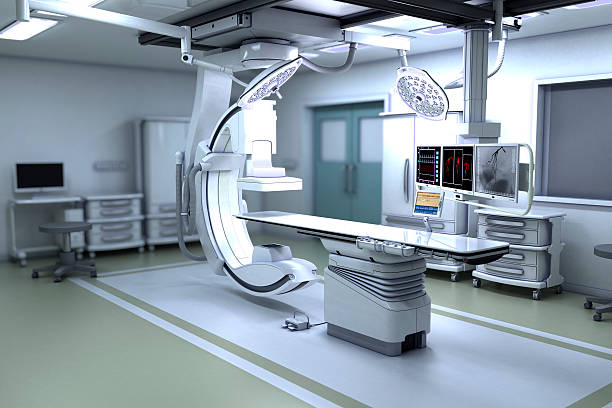
What is an angiogram?
Angiography or arteriography (means the same) is a diagnostic radiological test to obtain very precise information on the state of your arteries (blood vessels) . Angiography can be used to visualize any of the arteries in the human body. This test is also sometimes known as catheterization.. Vascular and interventional radiologists perform this test. To do this, a catheter (very small plastic tube) is inserted into the artery or arteries to be studied and iodinated contrast is injected through it (the same one used for a CT scan). While the contrast is circulating through your arteries, numerous x-rays are taken or a film is made, thus being able to know in real time how the blood circulates through your body.

Although other medical tests such as physical examination, Doppler ultrasound, computerized axial tomography (CAT), and magnetic resonance imaging (MRI) can visualize the blood vessels, angiography may be necessary to see them in more detail and obtain crucial information prior to surgery. treatment planning.
Why do I need an arteriography?
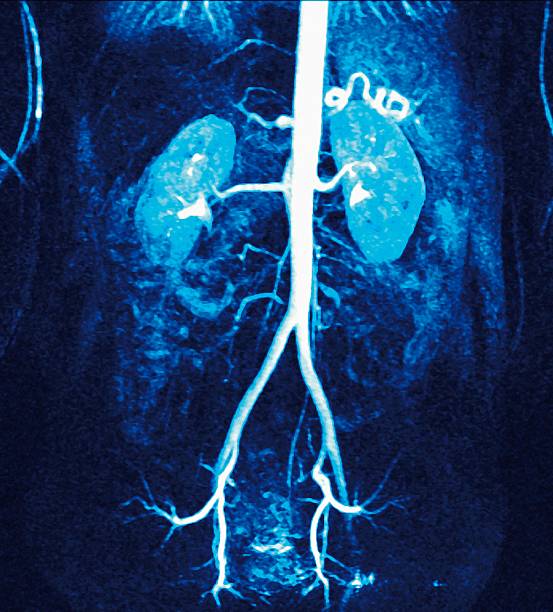
One of the most common reasons for needing an angiogram is to have symptoms that suggest a blockage of the artery . For example, a blocked artery in your leg can cause pain when you walk. Blocked arteries in the kidneys can cause increased blood pressure, and blocked arteries in the brain can cause vision problems and weakness of a part of your body or predispose you to stroke.
An angiogram can identify exactly where an artery is blocked, as well as the severity and cause of the blockage. The two most common causes of blocked arteries are blood clots (embolisms) and atherosclerosis .
Another common reason for needing an angiogram is the presence of an aneurysm . An aneurysm is a dilation of an artery that, if ruptured, causes severe internal bleeding.
Liver arteriograms are performed primarily for the study and treatment of tumors .
Before the angiography begins, a member of the Vascular and Interventional Radiology team (doctor or nurse) will talk to you and explain the procedure in detail and answer any questions you may have.
How is it the procedure? Hurts?
An arteriography consists of three steps:
- Insertion of a small catheter (plastic tube) into one of your arteries.
- Contrast injection (X-ray dye) while X-rays are taken.
- Catheter removal.

Catheter introduction
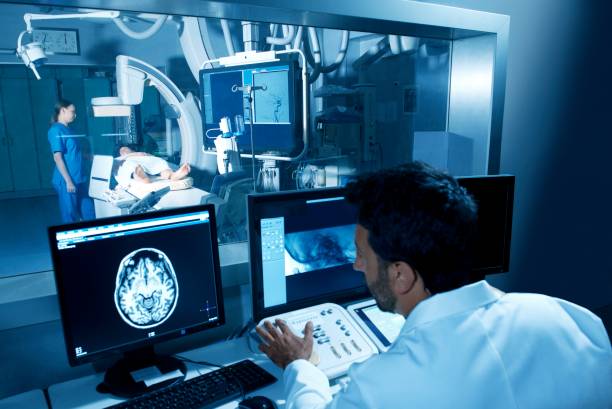
The vascular radiologist will clean the skin in the area where the catheter will be inserted. It will usually be in the groin, upper arm, or wrist. The doctor will then apply a local anesthetic to the skin and deep tissues. After this, you will only feel the pressure of the catheter being introduced into the artery, as the area will be numb. The doctor will guide the catheter through your body until it reaches the artery that will be studied with the help of an x-ray screen (like a television). You will not feel the catheter moving inside your arteries.
contrast injection
When the catheter is in the correct position, the contrast (dye) will be injected through the catheter while x-rays (films) are taken. You will feel slight warmth when the contrast is injected, but this will only last a few seconds and will go away. In many cases, several injections of contrast and several x-rays (films) will be necessary to complete the exam.
Catheter removal
At the end of the exam, the vascular radiologist will remove the catheter from your artery. Pulling out the catheter is painless. Pressure will be applied to the site where the catheter was inserted for about 10 to 20 minutes. This pressure prevents the artery from bleeding.Arteriography usually takes between 45 and 90 minutes .
Sometimes another procedure called angioplasty is done at the same time you have the angiogram. This prolongs the procedure a bit longer. Arteriograms are also used to diagnose difficult problems not resolved by other tests.
How do I prepare for an angiogram?
If you are already admitted to a hospital, the nurses and doctors will give you instructions on how to prepare for the angiography. If you are admitted to the hospital on the morning of your angiography, or if the procedure is performed on an outpatient basis, Follow these instructions or what your doctor tells you:
- FOOD – Do not eat anything solid after midnight the night before your procedure. Yes you can drink liquids.
- MEDICATIONS – Most people should continue to take their prescribed medications. If you are diabetic and take insulin, ask your doctor if it is necessary to modify your insulin dose only for the day of the procedure.
- If you take coumarin/synthrom (anticoagulant) , you should talk to your doctor about stopping it. Bring all your medication with you.
- ALLERGIES – If you are allergic to contrast (X-ray dye) or iodine, let your vascular radiologist know days before your angiogram. Your doctors may then take special precautions during the procedure.
- SMOKING – Do not smoke for at least 24 hours before your angiogram. A blood test is required in all people before angiography. This analysis is performed the same day or preferably the day before. Upon arrival at the Radiology (X-ray) Department you will be changed into a hospital gown (if you are not already wearing one from your room) and serum will begin to be injected into your veins. You will be given fluids and medications through this line during the procedure. The serum will stay in your arm until after the angiogram.
Your vascular and interventional radiologist will study and discuss the test results with your other doctors. Your doctors will work together to provide you with the best possible treatment.
What happens after the angiography is finished? Can I go home?
If you are an inpatient in a hospital or if you are going to be admitted after the procedure, you will stay in the hospital after the procedure. He will return from the angiography suite to his room and the nurses will monitor him so that he does not bleed from where the catheter was inserted into the artery. They will let you know when he can eat and how long he needs to be in bed.
If you have angiography as an out patient You will stay in the hospital for 4 to 6 hours after the procedure is finished. The hospital’s team of nurses and doctors will monitor you to make sure you don’t bleed where the catheter was inserted. After this period of observation he will send you to his house. Someone will have to drive him to her because he can’t drive or walk much that day. Once at home:
- Relax and rest for 24 hours.
- Drink plenty of fluids. Go back to your regular diet.
- exercise hard or lift any weight for at least two days.
- Do not take a hot bath or shower for the first 12 hours after the test.
- DO NOT SMOKE FOR AT LEAST 24 HOURS.
Call your doctor right away if:
- You begin to bleed where the catheter was inserted. If you start to bleed, lie down immediately and apply pressure to the bleeding area using your hands in a similar way to when the catheter was removed. Your doctor will tell you if you need to go back to the hospital.
- If there is any change in the color or temperature of the area where the catheter was inserted.
- If the arm or leg where the catheter was inserted is numb, feels colder than usual, or changes color.
What are the risks of an angiogram?
With modern techniques an angiography is a very safe procedure. There is always a minimal risk from the use of catheters or contrast injections .
Placing a catheter into an artery can damage the artery. Even if the artery is not damaged, you may still have a bruise where the catheter was inserted . The bruise may be mildly painful, but it usually goes away in a few days or a week.
Some patients may have secondary problems as a result of the iodinated contrast injection. Diabetics, kidney problems, asthma, or previous allergic reactions to contrast tend to be affected by contrast. If you have kidney disease, are diabetic, asthmatic or allergic to contrast, let your vascular radiologist know before the procedure so that he can take the appropriate protective measures and prevent the appearance of any problem. Other complications can occur. It all depends on the artery that is being studied . The exact risks of your angiography will be discussed in more detail by a member of the medical team before the procedure begins.
What is the benefit of an angiogram?
The benefit of an arteriography/angiography is that it provides your doctors with very accurate information about your arteries and helps them accurately plan the treatment you need. The benefits of taking the test always outweigh the few risks involved.


best price for lisinopril 20 mg
how much is generic valtrex
diflucan over the counter
valtrex 500mg best price
Now I am going away to do my breakfast, afterward having my
breakfast coming yet again to read more news.
amoxicillin cost canada
azithromycin tablets
lisinopril canada
вывод из запоя дешево
diflucan for sale online
zestoretic coupon
prednisone 10 mg price
lisinopril 2.5
buy baclofen 20 mg
Световод – это инновационное устройство для транспортировки естественного света внутрь зданий, обеспечивая освещение в помещениях, где традиционное оконное освещение недоступно или ограничено. Компания Solargy предлагает продвинутые решения в этой области, которые можно подробнее изучить на странице световод устройство.
Световоды Solargy используют систему зеркальных трубок для переноса солнечного света из внешней среды в интерьер здания. Эта технология позволяет доставлять свет в те участки здания, где естественное освещение отсутствует, например, в подвальные помещения, центральные коридоры или внутренние офисные комнаты.
Преимущество использования световода заключается не только в обеспечении дополнительного освещения, но и в значительной экономии электроэнергии, так как уменьшается потребность в искусственном освещении в течение дня. Кроме того, световоды способствуют созданию более здоровой среды за счет увеличения доли естественного света в помещении, что положительно влияет на общее самочувствие и производительность людей.
Установка световода от Solargy – это инвестиция в долгосрочную эффективность и комфорт вашего здания. Они легко интегрируются в существующую архитектуру, не требуя значительных изменений в конструкции здания. Это делает их идеальным решением для как новых, так и реконструируемых объектов, стремящихся к повышению энергоэффективности и улучшению условий проживания или работы.
Very nice article. I certainly appreciate this site. Keep
writing!
Having read this I thought it was really informative. I appreciate you finding the time and effort to put this informative article together.
I once again find myself spending a significant amount of time both
reading and leaving comments. But so what, it was still worth it!
prednisone otc
prinzide zestoretic
This is a very good tip especially to those fresh to
the blogosphere. Simple but very accurate information… Thanks for sharing
this one. A must read article!
b29
b29
baclofen for sale
where can i get valtrex over the counter
azithromycin 250 mg pill
dexamethasone 0.5 tablet
buy combivent online
cost of generic zithromax
online cialis coupon
GS Home Improvement’s painting services breathed new life into my space. Vibrant colors and flawless finish
how to get doxycycline prescription
daddy casino регистрация на сайте https://daddy-casino7.site/
2018 accutane
ventolin online usa
Kantorbola situs slot online terbaik 2023 , segera daftar di situs kantor bola dan dapatkan promo terbaik bonus deposit harian 100 ribu , bonus rollingan 1% dan bonus cashback mingguan . Kunjungi juga link alternatif kami di kantorbola77 , kantorbola88 dan kantorbola99
where can i get diflucan
doxycycline 100mg dogs
The house remodeling services provided by GS Home Improvement exceeded my expectations. A perfect blend of creativity and functionality.
The flooring installation by GS Home Improvement added a touch of luxury to my home. Impeccable craftsmanship
cialis 2 5 mg online
buy augmentin
metformin how to get
escrow pharmacy online
lisinopril pill
how to buy amoxicillin
azithromycin prescription cost
prednisone 1 tablet
cost of lyrica 100 mg
75 mg synthroid without prescription
casino daddy https://daddy-casino7.site/
online pharmacy no presc uk