
Welcome to WordPress. This is your first post. Edit or delete it, then start writing!
CT-Scan
Computed tomography scan
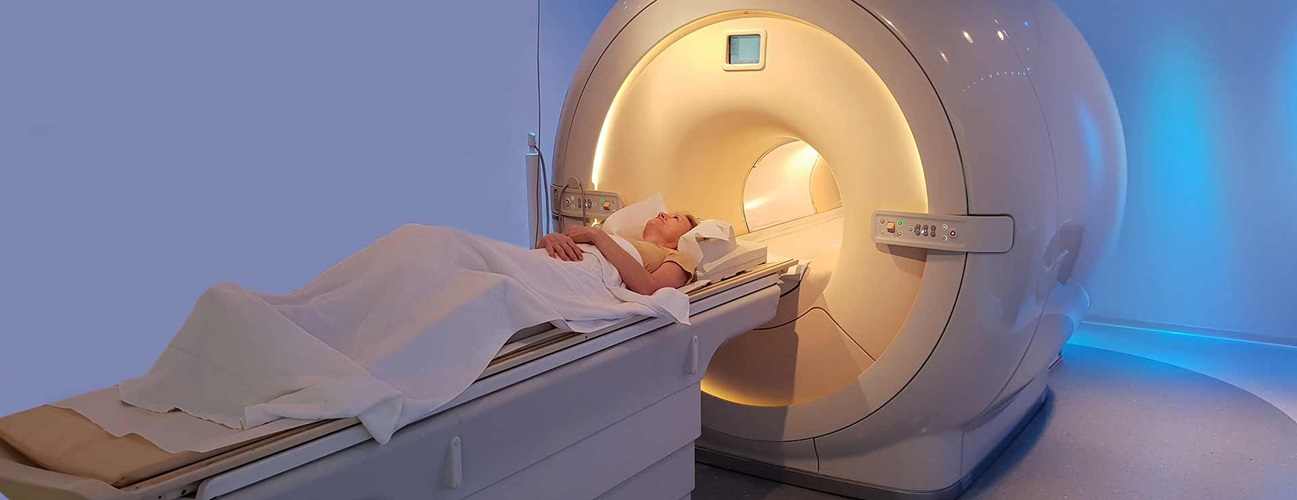
The CT-Scan is also called a CAT(computerized axial tomography)scan. It’s a diagnostic tool used to capture internal images of your body.
Cross-sectional images of the body created use computers and rotating X-ray machines. It provides more detailed information than normal X-ray images.
CT-Scanning is a painless procedure and performed in an outpatient setting. It is used to define abnormal and normal structures in the body and assist procedures accurately with the help of instruments and treatments.
A CT scan may be used to visualize the:-
Head, Shoulders, Spine, Heart, Abdomen, Knee, Chest, etc. CT-Scan use increased dramatically over the last two decades. There are many uses of of CT-Scan, but it’s particularly well-suited for diagnosing diseases and evaluating injuries.
- diagnose infections, muscle disorders, and bone fractures
- assess the extent of internal injuries and internal bleeding
- guide procedures, such as surgeries, etc.


I enjoyed this article. Check out roof wash for more.
Your reminder that not every person with early memory loss needs memory care yet is reassuring. We talk about “least restrictive but safe” options at memory care .
зайти на сайт https://tripskan80.info
Nice reminder that you can’t control every client’s behavior, only your own policies and responses. salon suites
Thanks for the detailed guidance. More at Hose Bros Inc .
My biggest lesson so far is that consistency beats cleverness. Showing up quietly for a long time worked better than any big push. digital marketing agency
нажмите здесь https://tripskan80.info
This was very enlightening. For more, visit payday loans .
другие https://tripskn80.live/
This was a wonderful guide. Check out Hose Bros Inc for more.
Your section on secure environments in memory care vs more open layouts in assisted living is especially helpful. More tips on evaluating security measures can be found on memory care .
This was a wonderful post. Check out fence cleaning near me for more.
I appreciated this article. For more, visit albergue peregrinos Palas de Rei .
Let me add that your first impression starts before they sit down. A quick message beforehand sets the tone. salon suites
Awesome article! Discover more at dónde dormir en Arzúa .
One owner told me the best marketing is finishing the job on the day you promised. I think about that often. seo company
сюда https://tripsn80.co
I like that you discussed family involvement and communication expectations. Memory care often provides more frequent updates. We share questions to ask administrators on respite care .
Thanks for the great explanation. More info at Burton Moving and Storage .
Such a good reminder that a happy client is the best advertising. I rarely do anything else and my book stays steady. salon suites for rent
This was highly useful. For more, visit Burton Moving and Storage .
Well done! Discover more at albergues Palas de Rei .
I found this very interesting. Check out mejor pensión en Arzúa for more.
I liked your point about cultural and language considerations for residents. While browsing on respite care , I’ll look for communities that can support my dad’s language needs.
My advice to anyone leaving: write down why you want to go independent. On rough days, that list keeps you steady. salon suites
I appreciate your emphasis on touring both assisted living and memory care before deciding. We provide printable tour questions and checklists on respite care that align with your suggestions.
The manicure guidance here was especially good. https://unsplash.com/@marachtmmh
Valuable information! Discover more at roof installations .
Appreciate the useful tips. For more, visit albergues Palas de Rei .
Great insights! Discover more at pensiones Arzúa .
Razones para elegir amplificadores Hi-Fi Cary si valoras musicalidad, según amplificador hi-fi opiniones .
It’s reassuring to know your loved one isn’t getting lost in the crowd. In small senior homes, caregivers notice when someone skips a meal or struggles with walking. That’s a big reason I’ve bookmarked assisted living gallup nm .
This was very enlightening. More at albergue Palas de Rei .
I enjoyed this post. For additional info, visit mejor pensión en Arzúa .
A big plus of small homes is that staff can encourage residents to do as much as they safely can on their own, then step in when needed. That’s exactly the kind of approach places like elder care seem to support.
Great tips! For more, visit metal roof .
Thanks for the great explanation. More info at roof wash near me .
Appreciate the thorough write-up. Find more at albergues Palas de Rei Camino de Santiago .
This was very enlightening. For more, visit mejor pensión en Arzúa .
I appreciate how clearly you explained that Independent Living doesn’t usually include hands-on medical care. That was a surprise to our family at first, and we had to confirm it through resources on elder care .
Los mejores usos de amplificadores Hi-Fi Cary en salas pequeñas según mejor amplificador hi-fi .
Thanks for the helpful advice. Discover more at Hose Bros Inc .
For those of us caring for someone with mild cognitive decline, knowing when Assisted Living is still appropriate versus when a Nursing Home is needed is critical. I read some helpful guidelines on senior living that align with your points.
This was very beneficial. For more, visit payday loans .
Appreciate the detailed information. For more, visit adamir immigration solicitors london reviews.
Appreciate the detailed information. For more, visit commercial fence cleaning .
This was highly informative. Check out Hose Bros Inc for more.
Thanks for the helpful advice. Discover more at immigration lawyer london.
This was a wonderful guide. Check out albergues Palas de Rei for more.
Thanks for the practical tips. More at pensión barata Arzúa .